

The trend of people using smartphones in the United States is on the rise. According to statista.com, the number of smartphone users in the U.S. in 2021 is 280.54 million. There has also been a general trend of traditional desktop and laptop usage decreasing. When we pair these two trends together, it is clear that marketers need to adapt and increase their use of mobile marketing in campaigns.
Looking at more traditional methods of marketing, you are unable to reach as many people, and the cost to print or advertise can be more expensive for the reach. Billboards for example in Seattle, Washington cost roughly $4,000 a month per billboard, and roughly only 50% of people act on these advertisements (Tartash, 2020). This type of advertisement cannot be specifically targeted to consumers based on their interests, or behavior either. The same can be said for advertisements in print such as newspaper or magazines. You are not afforded the luxury of customizing advertisements specifically to certain consumers.
Mobile marketing however has changed the game in many ways. As mentioned earlier, 280.54 million people own a smartphone. This means there are that many people in America alone that are active on web browsers, and apps. These are all places that marketers can be selling products and services. Another added benefit compared to traditional print comes in the ease of purchase for a consumer. If someone sees a billboard, they need to remember the number or website, and go there later. Compare that with mobile, they can instantaneously click a link, call a number, or complete the purchase in minutes. This time saving can lead to greater conversions, and impulse buys.
Next, if we think of apps such as Instagram, companies can specifically target who their ads or promotions are shown to. Say for instance there is a jewelry store who wants to advertise. They can set specific parameters so their ads are shown to only females, who like certain accounts related to jewelry, or even narrow it down by geographic location. This ability allows you to market more to those who are more likely to purchase.
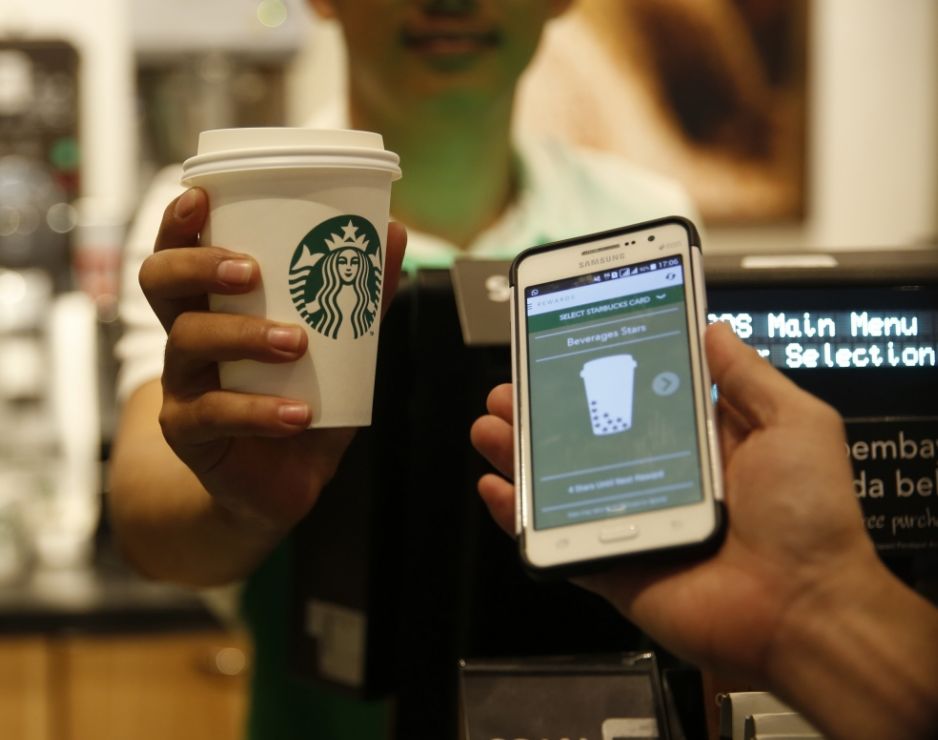
One big success story in the world of mobile marketing comes from Starbucks, and their app plus loyalty program. They changed the game and made a huge impact on the retail space. In 2011 they introduced mobile payments, which in turn increased customer retention, and visits. There is are in app promotions for special drinks, loyalty points (stars), and bonus days. This prompts users to return more often. They made it easier for people to customize their drink order with ease. They have also allowed people to earn free beverages, which is the ultimate game changer in my opinion.
Now we need to address some possible concerns with mobile marketing. One major issue comes in the potential for a bad user experience. We all know the term “viral content,” but this can arise from bad marketing as well. Companies need to be thorough in their process for approving advertisements. One bad advertisement can leave you with scrutiny for years from millions of people, and cost you business. There need to be safe holds in place and standards set for approving ads to ensure this does not happen. Mistakes can be seen instantly, and usually are saved and reposted on the internet, so this is very important to keep in mind.
References:
O’Dea, S. (2020, April 21). Number of smartphone users in the U.S. 2010-2023. Retrieved from https://www.statista.com/statistics/201182/forecast-of-smartphone-users-in-the-us/
Pearson, B. (2020, December 16). 12 ways Starbucks’ loyalty program has impacted the retail industry. Retrieved from https://www.forbes.com/sites/bryanpearson/2020/12/16/12-holiday-gifts-from-the-starbucks-card/?sh=5b3b3ad34534
Tartash, A. (2020, December 14). Billboard advertising STATISTICS, cost & Effectiveness. Retrieved from https://www.back40design.com/blog/billboard-advertising-statistics/
[Person using Starbucks app to purchase beverage]. (2016, November 18). Retrieved from https://stories.starbucks.com/stories/2016/starbucks-mobile-app-launches-in-indonesia/
 christiannedreyersinfo.data.blog